
Zambia Expands Renewable Energy Capacity with 100MW Chisamba II Solar Plant
Zambia Doubles Chisamba Solar Capacity to 200MW to Support Mining and Energy Security
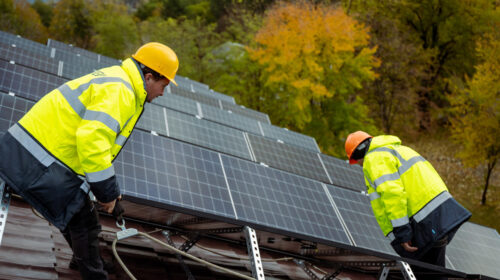
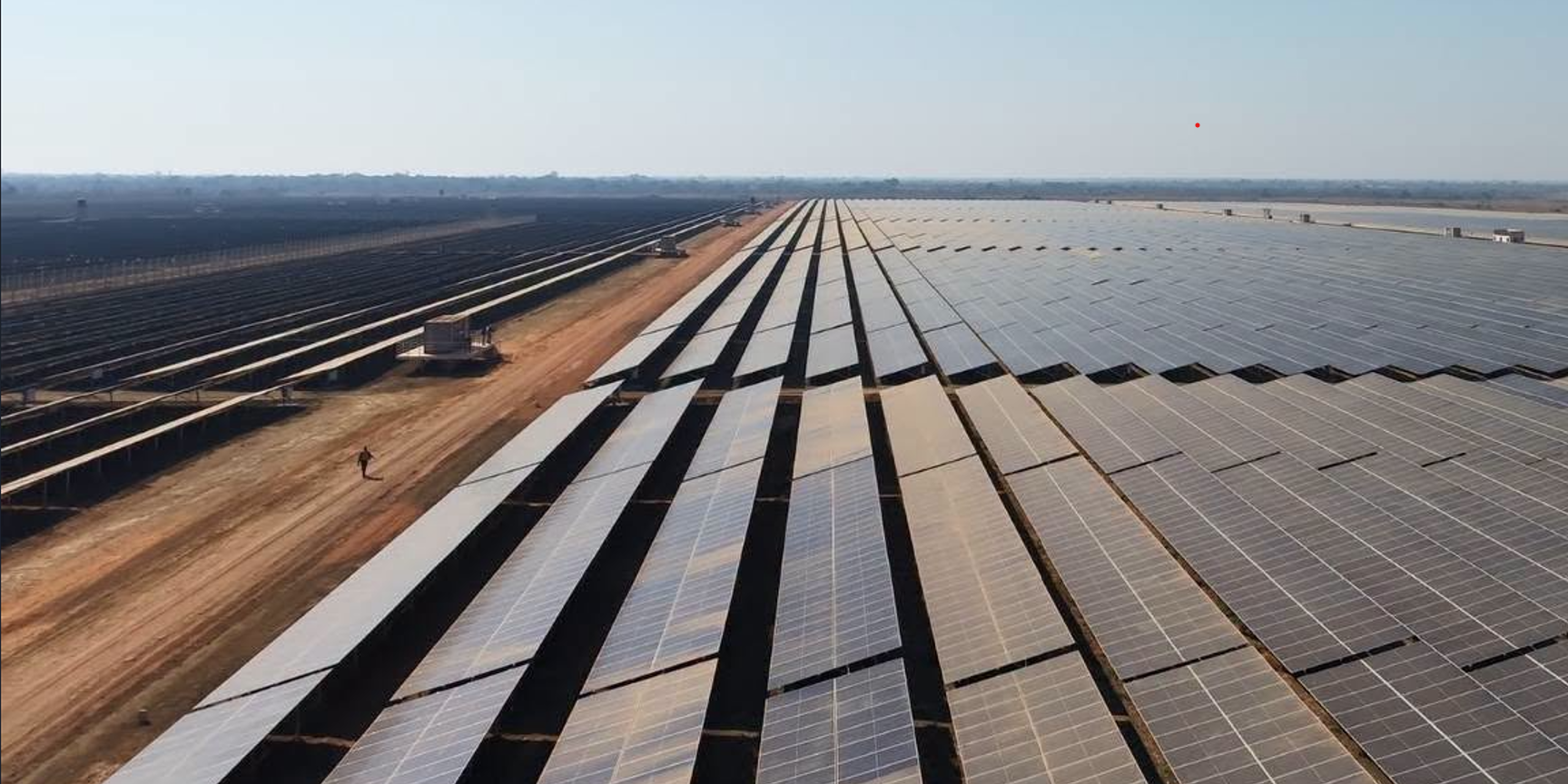
Zambia has strengthened its renewable energy capacity with the commissioning of the 100MW Chisamba II Solar Power Plant, expanding the Chisamba Solar Complex to 200MW.
The project represents a significant milestone in the country’s efforts to diversify its energy mix, improve electricity reliability and reduce dependence on hydropower.
Commissioned by President Hakainde Hichilema in Chisamba District, Central Province, the second phase of the solar complex supports Zambia’s broader ambition to increase electricity generation capacity to 10,000MW by 2030 while addressing growing demand from households, businesses and key industries such as mining.
This version avoids repeating “capacity” and makes the connection between the project and Zambia’s energy strategy clearer.
Developed by ZESCO through its subsidiary Kariba North Bank Extension Power Corporation, the project was constructed by PowerChina International in seven months.
The facility was supported by a US$71.5 million financing package from Stanbic Bank Zambia and backed by a 13-year power purchase agreement with GreenCo, a regional electricity trading company.
The solar plant has created employment opportunities during construction, with approximately 1,480 workers involved in the development of the project.
The land for the facility was provided by Chief Chamuka of the Lenje people, who has also made additional land available for future expansion.
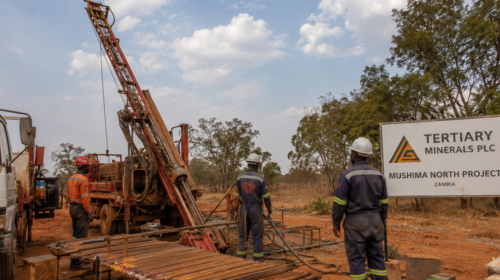
Electricity generated from Chisamba II will support Zambia’s mining sector through GreenCo’s power trading arrangements, including supplying renewable energy to First Quantum Minerals, one of the country’s largest copper producers.
The project will help provide cleaner power to industrial users while increasing available electricity capacity for other consumers.
Reducing Reliance on Hydropower
The expansion of the Chisamba Solar Complex comes as Zambia continues to address electricity shortages caused by heavy reliance on hydropower.
Approximately 84% of the country’s electricity generation has historically come from hydro sources, leaving the national grid vulnerable to drought conditions and reduced water levels at major facilities such as the Kariba Dam.
Recent drought-related power shortages resulted in prolonged load-shedding, affecting households, businesses and mining operations.
The government has responded by accelerating investment in solar, opening the electricity market to private participation and encouraging alternative energy solutions.
President Hichilema said the improvement in electricity supply was the result of increased generation capacity and infrastructure investment rather than temporary measures linked to the country’s electoral cycle.
Growing Role of Private Solar Solutions
While the government expands utility-scale renewable energy projects, households and businesses have increasingly turned to alternative energy sources.
According to recent Afrobarometer findings, 47% of households in Zambia obtain electricity from sources other than ZESCO, with solar accounting for the majority of these alternative solutions.
The data highlights the rapid growth of private solar adoption as consumers seek more reliable electricity supply.
The survey also indicates that while ZESCO’s network covers around 55% of the population, only about 28% of households report having a grid connection, underlining the continued need for investment in electricity access and reliability.
Building a More Resilient Energy Sector
The Chisamba II project reflects Zambia’s broader strategy to diversify its energy mix by expanding solar, wind and other renewable energy sources while maintaining hydropower as part of the national power system.
Central Province has already exceeded its previous electricity generation target, reaching approximately 437MW of installed capacity compared with an earlier goal of 400MW.
With increased private sector participation, renewable energy investment and new power trading mechanisms, Zambia is moving toward a more flexible and resilient electricity sector.
The commissioning of Chisamba II demonstrates the country’s shift away from relying on a single energy source and highlights the growing role of solar power in supporting households, industries and key economic sectors such as mining.